
Fertility Specialist in Bharakahu Islamabad plays an important role in guiding couples through one of the most emotionally and physically challenging journeys of their lives.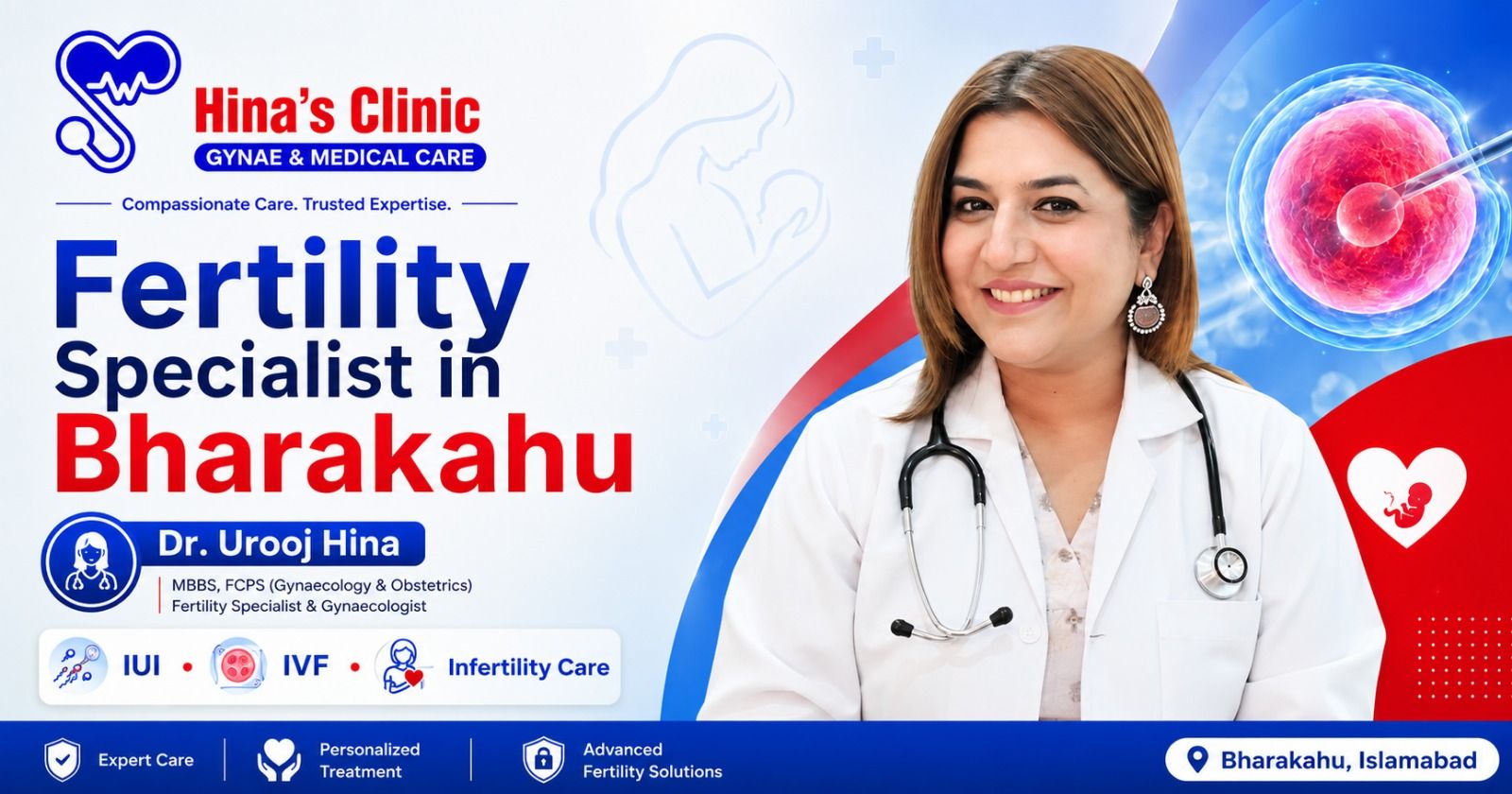 Fertility treatment success is not determined by a single factor. Instead, it depends on a combination of medical, biological, lifestyle, and treatment-related elements that work together.
In this comprehensive guide, we will explore all the major factors that influence fertility treatment success in a simple and easy-to-understand way. This article is written for a 12th-grade reading level to help everyone clearly understand the topic.
Understanding Fertility Treatment Success
Fertility treatment includes medical procedures like medication, intrauterine insemination (IUI), and in vitro fertilization (IVF). Success means achieving a healthy pregnancy that leads to a live birth.
However, success rates vary widely from person to person. Some couples may succeed in the first attempt, while others may need multiple cycles.
A Fertility Specialist in Bharakahu Islamabad evaluates each case individually to improve the chances of success based on personal health conditions.
Age of the Female Partner
Age is one of the strongest predictors of fertility treatment success.
Why Age Matters
As a woman ages, the number and quality of eggs decline. This affects fertilization and embryo development.
- Under 30: Highest success rates
- 30–35: Slight decline begins
- 35–40: Moderate decline
- Above 40: Significant reduction in success rates
Even with advanced treatments, egg quality remains a key limiting factor. A Fertility Specialist in Bharakahu Islamabad often emphasizes early consultation for better outcomes.
Age of the Male Partner
Male age also plays a role, although it is less discussed.
Key Male Factors
- Sperm count decreases with age
- Sperm motility reduces
- DNA fragmentation increases
These issues can lead to lower fertilization rates or poor embryo quality. Lifestyle and health management can improve male fertility significantly.
Egg Quality and Ovarian Reserve
Egg quality refers to the health and genetic stability of a woman’s eggs. Ovarian reserve refers to how many eggs remain in the ovaries.
Important Tests
- AMH (Anti-Müllerian Hormone)
- FSH levels
- Ultrasound follicle count
A low ovarian reserve reduces the chances of success, but treatment plans can be adjusted accordingly. A skilled Fertility Specialist in Bharakahu Islamabad uses these tests to personalize treatment.
Sperm Quality and Health
Male fertility depends heavily on sperm health.
Key Parameters
- Sperm count
- Motility (movement)
- Morphology (shape)
Poor sperm quality can reduce fertilization chances even in IVF procedures. Lifestyle changes such as quitting smoking, improving diet, and reducing stress can significantly improve sperm health.
Underlying Medical Conditions
Certain health conditions can affect fertility treatment success.
Common Conditions
- Polycystic Ovary Syndrome (PCOS)
- Endometriosis
- Thyroid disorders
- Diabetes
- Uterine fibroids
Each condition requires a different treatment approach. Managing these conditions properly increases success rates significantly.
Uterine Health and Implantation
Even if fertilization occurs, implantation in the uterus must be successful for pregnancy.
Uterine Factors
- Thickness of uterine lining
- Presence of fibroids or polyps
- Shape of uterus
- Blood flow to the uterus
A healthy uterus increases implantation chances. Doctors may recommend hormone treatments to improve uterine lining.
Hormonal Balance
Hormones regulate the entire reproductive system.
Key Hormones
- Estrogen
- Progesterone
- LH (Luteinizing Hormone)
- FSH (Follicle Stimulating Hormone)
Imbalances can disrupt ovulation and implantation. Proper hormone therapy is often used to correct these issues.
Type of Fertility Treatment Used
Different treatments have different success rates.
Common Treatments
- Ovulation induction
- Intrauterine insemination (IUI)
- In vitro fertilization (IVF)
- Intracytoplasmic sperm injection (ICSI)
IVF generally has higher success rates compared to simpler treatments, especially in complex cases. A Fertility Specialist in Bharakahu Islamabad selects the most suitable method based on diagnosis.
Quality of Laboratory and Clinic
The technology and expertise of the fertility clinic matter greatly.
Important Factors
- Embryo culture conditions
- Lab equipment quality
- Embryologist experience
- Success tracking systems
Even small differences in lab conditions can affect embryo development and implantation success.
Lifestyle Factors
Lifestyle plays a major role in fertility outcomes.
Negative Lifestyle Habits
- Smoking
- Alcohol consumption
- Poor diet
- Lack of exercise
- Obesity or being underweight
Positive Lifestyle Habits
- Balanced nutrition
- Regular exercise
- Healthy sleep cycle
- Stress management
Improving lifestyle can significantly increase treatment success rates.
Body Weight and BMI
Body weight affects hormone balance and ovulation.
Impact of Weight
- Obesity can reduce egg quality
- Underweight can stop ovulation
- Both conditions affect hormone production
Maintaining a healthy BMI improves fertility outcomes for both men and women.
Stress and Emotional Health
Stress does not directly cause infertility, but it can affect hormonal balance and treatment outcomes.
Effects of Stress
- Irregular menstrual cycles
- Lower sperm quality
- Reduced treatment response
Counseling and emotional support are often recommended during fertility treatment.
Timing of Treatment
Timing is crucial in fertility procedures.
Examples
- Ovulation must be tracked accurately in IUI
- Embryo transfer must match uterine readiness in IVF
Missing the correct timing window can reduce success chances even with high-quality embryos.
Previous Pregnancy History
A woman’s previous pregnancy experience can influence treatment outcomes.
Types of History
- Previous successful pregnancy increases success chances
- Recurrent miscarriages may indicate underlying issues
- No previous pregnancy may require detailed evaluation
A Fertility Specialist in Bharakahu Islamabad uses this history to design better treatment plans.
Genetic Factors
Genetic conditions can affect embryo development.
Examples
- Chromosomal abnormalities
- Inherited diseases
- Recurrent implantation failure
Genetic testing may be recommended in certain cases to improve success rates.
Number of Treatment Cycles
Success often increases with multiple cycles.
Why Multiple Cycles Help
- Doctors learn how your body responds
- Treatment adjustments improve results
- Cumulative success rates increase
Many couples achieve pregnancy after more than one attempt.
Clinic Experience and Doctor Expertise
The experience of the fertility doctor is very important.
What Expertise Includes
- Accurate diagnosis
- Personalized treatment plans
- Handling complications
- Advanced reproductive techniques
A highly experienced Fertility Specialist in Bharakahu Islamabad can significantly improve success chances through tailored care.
Male and Female Communication and Support
Emotional support between partners improves treatment consistency.
Benefits
- Better adherence to treatment plans
- Reduced stress levels
- Improved emotional stability
Couples who support each other tend to cope better during treatment.
Environmental Factors
Environmental exposure can also influence fertility.
Harmful Factors
- Pollution
- Pesticide exposure
- Chemical toxins
- Radiation exposure
Reducing exposure to harmful environments may improve reproductive health.
Medication Response
Not all patients respond the same way to fertility medications.
Factors Affecting Response
- Age
- Hormone levels
- Ovarian reserve
- Genetic sensitivity
Doctors adjust medication doses based on individual responses.
Immune System Factors
In some cases, the immune system may affect implantation.
Possible Issues
- Autoimmune disorders
- Embryo rejection
- Inflammation in reproductive tract
Specialized treatments may be used when immune issues are suspected.
Conclusion
Fertility treatment success depends on a wide range of interconnected factors, including age, hormone balance, egg and sperm quality, lifestyle, medical conditions, and treatment methods. No single factor determines the outcome; instead, it is the combination of all these elements that shapes the result.
With proper diagnosis, advanced medical care, and lifestyle improvements, many couples can significantly improve their chances of success. Consulting a qualified expert early can make a major difference in treatment outcomes.
A Fertility Specialist in Bharakahu Islamabad carefully evaluates each case and designs a personalized plan to maximize the chances of achieving a healthy pregnancy. Understanding all these influencing factors helps couples make informed decisions and stay hopeful throughout their fertility journey.